
Ever wondered why flooring gets more attention on a flip budget than almost any other line item, dollar for dollar?
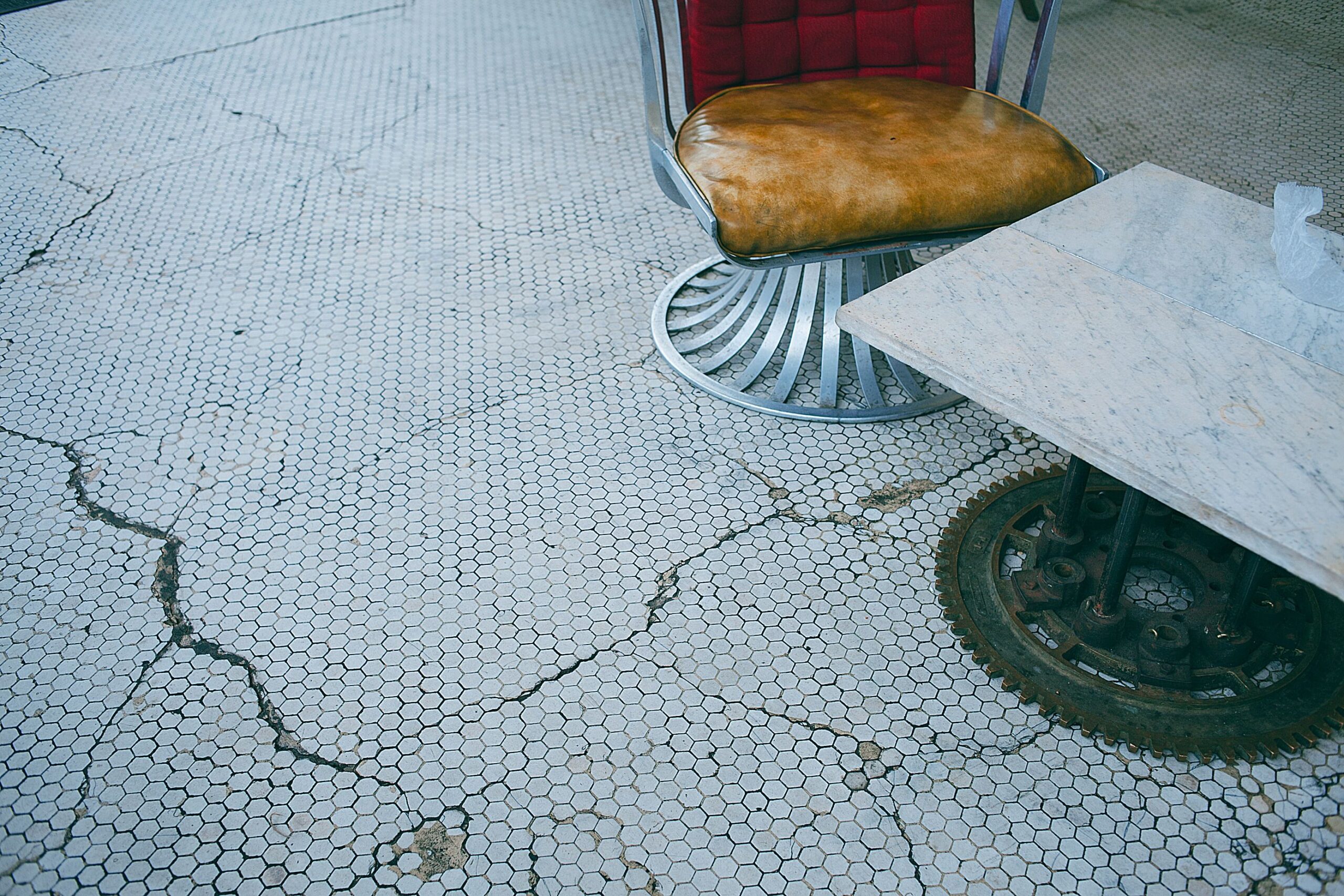
It’s not just about looks, though looks are certainly part of what sells a listing fast. Flooring shapes what an appraiser sees, what a buyer notices first, and how fast a Tampa flip actually closes. Get it wrong, and it costs you in ways that don’t show up until much later in the deal, often after the invoice is long forgotten and the crew has moved on to the next job.
The Return Flooring Actually Delivers
Start with what flooring is actually worth at resale, because the numbers are unusually strong compared to most renovation categories.
The National Association of Realtors’ 2025 Remodeling Impact Report consistently ranks flooring among the highest cost-recovery projects a home can undergo. Unlike kitchens or primary suites, which score high on homeowner satisfaction but recover a smaller share of their cost, flooring tends to do both: strong buyer appeal, and strong dollar-for-dollar recovery at sale.
That combination matters specifically for flippers, more than it matters for a typical homeowner planning a personal renovation. A kitchen remodel might delight a homeowner planning to stay for a decade. A flipper doesn’t have that luxury. Every dollar spent needs to show up in the sale price within months, not years, and flooring is one of the few categories that consistently delivers on that timeline rather than just on homeowner satisfaction scores that take years to matter financially.
Why Tampa Specifically Changes the Flooring Math
Here’s where the Tampa market adds its own layer to a decision that looks simple everywhere else.
Florida’s climate isn’t gentle on flooring. Humidity, flooding risk, and termite pressure all shape which materials actually hold up, not just which ones look good on installation day under staging lights. A flip finished with the wrong material in Tampa can develop cupping, warping, or pest damage well before the property even closes on a buyer.
This is where working with an established flooring company Tampa investors already trust becomes more than a convenience. A local installer understands which products are rated for humidity and which ones are cosmetic gambles dressed up as budget options. Materials like water-resistant luxury vinyl plank have become standard in this market precisely because standard hardwood, in the wrong installation, doesn’t survive Tampa’s climate the way it would somewhere drier and less humid.
Choosing flooring for a Tampa flip isn’t the same decision as choosing flooring for a flip in Denver or Nashville. The climate is part of the spec, not an afterthought tacked on at the end of a scope of work.
What Tampa’s Entry-Level Prices Are Actually Doing
The pricing backdrop makes this decision even more consequential, because Tampa’s entry-level segment has moved dramatically over the past two decades.
The Case-Shiller Low Tier Home Price Index for Tampa, tracking the cheapest third of the market specifically, stood at roughly 513 in December 2025, using a January 2000 baseline of 100. That’s well above the overall Tampa index, which sat closer to 370 over the same period, meaning the cheapest tier of the market has actually outpaced the market as a whole.
In plain terms, the entry-level segment in Tampa has appreciated faster than the market it sits inside of. That’s exactly the segment most flips compete in, and it means acquisition prices in this tier carry less room for costly mistakes than they used to, back when entry-level meant genuinely cheap rather than just relatively cheap. A flooring choice that fails during resale isn’t a minor setback in a market moving this fast. It’s a real dent in a margin that was already tighter than the headline appreciation numbers suggest.
What an FHA Appraisal Will and Won’t Accept
The final piece is financing, since most buyers in this price tier aren’t paying cash and won’t be closing on their own timeline alone.
FHA-backed purchases, common in entry-level Tampa transactions, require the property to pass an appraisal under HUD’s minimum property standards. Those standards get specific about flooring condition. Subflooring can’t be left exposed in living areas. Damaged, warped, or deteriorated flooring has to be repaired or replaced before the loan can close, not addressed after the fact once the buyer has already moved boxes in.
That’s a hard stop for a flipper working this segment, not a suggestion, and it’s the kind of requirement that’s easy to underestimate until it actually happens on a deal. A flooring installation that looks fine at a showing but shows early signs of moisture damage by the time an FHA appraiser walks through can delay or derail a closing entirely, sending the deal back to the negotiating table at the worst possible moment. In a market where holding costs accumulate daily, that kind of delay is its own expensive line item, separate from the material cost itself and often larger than the flooring bill that caused it.
The Real Cost Equation
Flooring on a Tampa flip isn’t just a materials and labor cost. It’s an appraisal risk, a climate risk, and a resale value driver, all bundled into one decision made early in the renovation, usually before the rest of the scope of work is even finalized.
Get it right, and flooring is one of the few upgrades on a flip that reliably pays for itself, backed by data rather than guesswork or a contractor’s gut feeling. Get it wrong in a climate like Tampa’s, and the same square footage that was supposed to boost your margin can quietly become the reason a deal stalls at appraisal or fails a few months after closing, with a callback nobody budgeted for.
The real cost of flooring on a Tampa flip was never just the invoice. It’s whether the choice survives the climate, the appraisal, and the buyer’s first year of ownership, all at once, without a single one of those three becoming a problem later.