Expanding your search radius is not about chasing trends. You must identify markets where acquisition cost, renovation potential, and resale demand align logically. We often see investors instinctively targeting major metropolitan cores. It is because they happen to be the strongest margins that readily appear just outside those lines.
Understanding pricing benchmarks in stable communities provides you a useful comparison point. For instance, you can monitor the Stouffville homes for sale. That is, if you know how a balanced growth market performs, you can evaluate emerging regions more intelligently.
Here are the locations worth serious consideration.
Location Options

1. Whitchurch-Stouffville, Ontario
Although technically part of York Region, Stouffville feels distinct from denser urban centers. It feels appealing to families who prefer larger lots, calmer streets, and a close-knit community atmosphere.
Here, you’ll find established homes that were built around in the 1980s–2000s. It brings you some good cosmetic renovation potential. Let’s say for example you can have updated kitchens, bathrooms, and interiors. There is also some strong family resale demand. It is mostly supported by buyers seeking space and livability.
If we focus on the price growth, it is steady, not speculative. Older interiors beside newer subdivisions often create ideal value-add opportunities.
2. Durham Region (Oshawa, Whitby, Ajax)
Moving east of Toronto, you get the Durham Region. It presents investors with more flexible entry points into the real estate market. If you compare it to the neighboring York Region, acquisition prices for detached homes are generally lower. This allows you to enter the market with less upfront capital. Mind you, there’s nothing to prevent you from targeting solid resale potential. This affordability has been supported by continued population migration from higher-priced areas within the Greater Toronto Area. Because, buyers search for more attainable homeownership options and they don’t want to leave the broader commuter network. Many of the properties in this region feature housing stock that responds well to practical renovations such as kitchen updates, bathroom improvements, and new flooring.
3. Barrie, Ontario (Simcoe County)
Barrie has evolved from a secondary option. It offers a solid supply of structurally sound but dated properties. Thus it creates attractive opportunities for value-adding renovations. Compared with many cities closer to the Greater Toronto Area, housing remains relatively affordable here. It helps you to obtain more manageable entry points. At the same time, expanding amenities, retail, and infrastructure continue to strengthen the city’s long-term outlook. Renovated homes priced slightly below comparable new builds often sell efficiently. Resale timelines can be slightly longer than in dense urban markets. Don’t worry, the lower acquisition costs frequently offset that difference.
4. Niagara Region (St. Catharines & Welland)
The area we’re discussing now has increasingly drawn attention due to lifestyle motivated migration. Lower purchase prices compared to nearby metropolitan markets make Niagara attractive. In addition, much of the region’s housing stock is older. You can easily modernize it. The community development is steady. So you’re likely to find long-term stability. However, Niagara is not typically considered a speculative flip market. Successful projects tend to rely on disciplined renovation budgeting, realistic resale pricing, and careful assessment of neighborhood demand.
5. London, Ontario
London offers investors a varied but stable buyer base. It is supported by a mix of families, professionals, and university-affiliated residents. They are connected to institutions like Western University. This variation helps people find a consistent housing demand across markets. We observed that property pricing in London remains relatively balanced compared to larger Ontario cities. The city also contains numerous mid-century homes; many of which are structurally sound but dated inside. Thus, they’re ideal candidates for upgrades such as updated kitchens, flooring, and modern finishes. In addition, the market benefits from a steady transaction volume. If you value predictable turnover rather than market volatility, London can provide a reliable environment.
6. Kitchener-Waterloo
The Kitchener–Waterloo region is driven by expanding technology and innovation sectors. So it continues to experience steady economic growth. Major institutions such as University of Waterloo and Wilfrid Laurier University contribute to a strong talent pipeline. Moreover, we see the local tech companies attract skilled professionals to the area. This employment growth supports consistent housing demand and helps stabilize the real estate market. The older neighbourhoods here have structurally solid homes. They offer you clear opportunities for renovation and modernization. However, successful investment in this region requires careful budgeting. Over-improving beyond neighborhood standards can erode profit margins. Try to have disciplined renovation strategies as they remain essential for maintaining strong returns.
Beyond Ontario: Broader Border Strategies
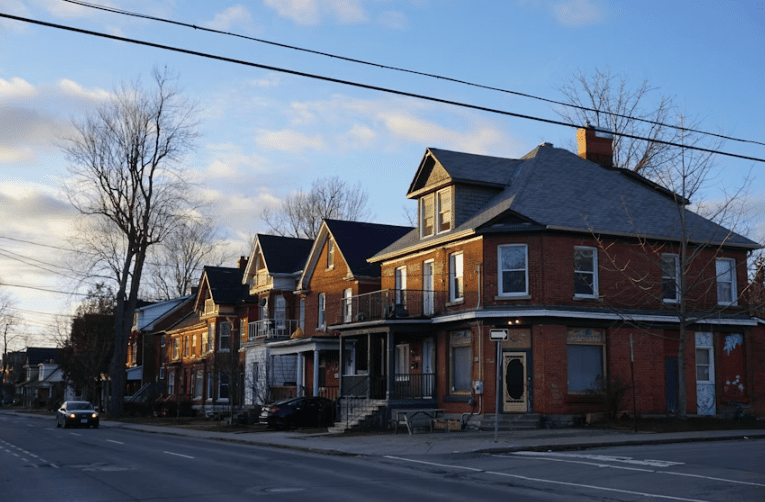
For investors exploring other provinces or U.S. markets, the same core principles generally apply. In order to succeed, you can focus on mid-sized cities experiencing steady job growth. As we previously hinted, they help sustain long-term housing demand. Markets with strong family-oriented buyer pools tend to offer you more stable resale opportunities; if you compare them to highly speculative areas. In many cases, cities outside major headline markets provide you healthier risk-to-reward ratios. That means you get more balanced acquisition prices whilst still maintaining reliable buyer demand and resale potential.
Pairing Location with Sourcing Strategy
Once you have managed to identify a promising region, acquisition strategy is excruciatingly essential. In Southern Ontario, you’ll see opportunities come from foreclosures, auctions, short sales, and estate properties. Many of them offer you renovation potential at discounted prices. Direct-to-seller outreach can also uncover off-market deals, particularly in suburban or secondary markets. Motivated sellers may accept flexible negotiation. That way investors can secure better entry points.
Conclusion
Border expansion is all about data. When acquisition prices moderate and buyer demand remains steady, flipping turns into a mathematical exercise for you. Communities like Stouffville demonstrate how balanced growth markets behave. Regions such as Durham, Barrie, Niagara, London, and Kitchener-Waterloo show you where similar conditions may offer improved margins. Investors who combine disciplined sourcing with thoughtful market selection rely on numbers to earn the maximum profit.
Therefore, we can conclude that in fix-and-flip investing, numbers largely determine success. Hope the guide helped you see through the market analysis. Best of luck on our end!