
A million two doesn’t stretch the way it used to, but where you spend it still changes the story completely. Put that number down in a GTA suburb and it barely covers a semi with a postage-stamp yard. Carry the same number out to a village market in wine country or cottage country and suddenly you’re picking between a stone farmhouse with three acres or a renovated century home two blocks from Main Street. Same number. Two completely different lives.
The Same Number, Two Very Different Realities
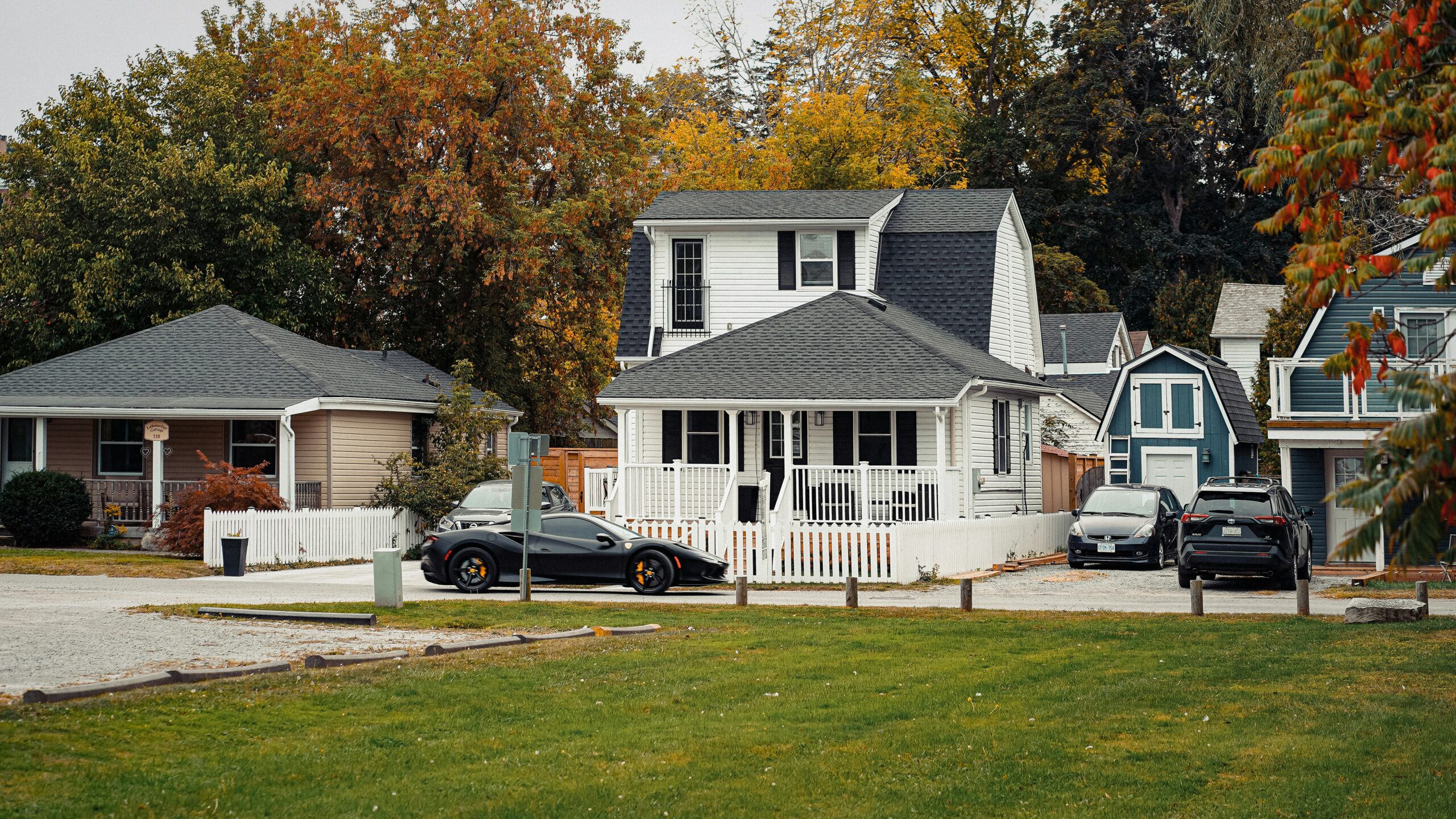
Many Toronto buyers assume the housing market moves as a single monolith, but the region is actually a patchwork of distinct neighborhoods. Local home values depend heavily on commute times, land size, and school zones. Inside the city proper (416), a $1.2 million budget gets you an entry-level to mid-range detached house – often one needing near-term repairs. Move out to the surrounding suburbs (905) and that same money buys more space, though home shoppers usually realize quickly that suburban prices have caught up faster than expected.
Village markets are a different animal entirely. Places like Niagara-on-the-Lake, Elora, Bayfield, and the smaller pockets around Prince Edward County were, for a long time, considered second-home territory or retirement towns. That reputation is fading fast. Young families priced out of the city are discovering that a slower commute paired with double the square footage isn’t such a bad trade after all.
What $1.2 Million Looks Like in a GTA Suburb
This is the price range where the GTA starts feeling less generous. Buyers walk in expecting a detached home with room to grow and often leave the first few showings recalibrating what that actually means once lot size, age, and commute distance get factored in together.
Detached Feels More Like a Rumor Than a Guarantee
In most GTA suburbs, $1.2 million buys a three or four bedroom detached home, usually built sometime between the seventies and the nineties, often needing a kitchen update or new windows within the first couple of years of ownership. Lot sizes hover around thirty by one hundred feet. Basements are frequently unfinished or finished decades ago in a style nobody would choose today.
Semi-detached homes and townhouses also swallow most of that money, particularly near transit links. If you want a full garage, a double driveway, and a spacious backyard, prepare to drop at least one requirement. Distance to public transit heavily drives these tradeoffs – properties right near a GO station usually feature much smaller yards. It is a frustrating reality check that rarely softens, no matter how many weekend open houses you tour.
Anyone weighing this decision for the first time might find it worth reading through suburban buyer tips before locking in a neighborhood, since school boundaries and future development plans shift faster than most listings mention.
Village Markets Change the Math Completely
The same budget stretches differently once you leave the GTA behind. Smaller towns trade density for land, and that single shift changes almost everything about what shows up on a listing sheet, from lot size down to the age and character of the house itself.
Space, Character, and a Slower Pace
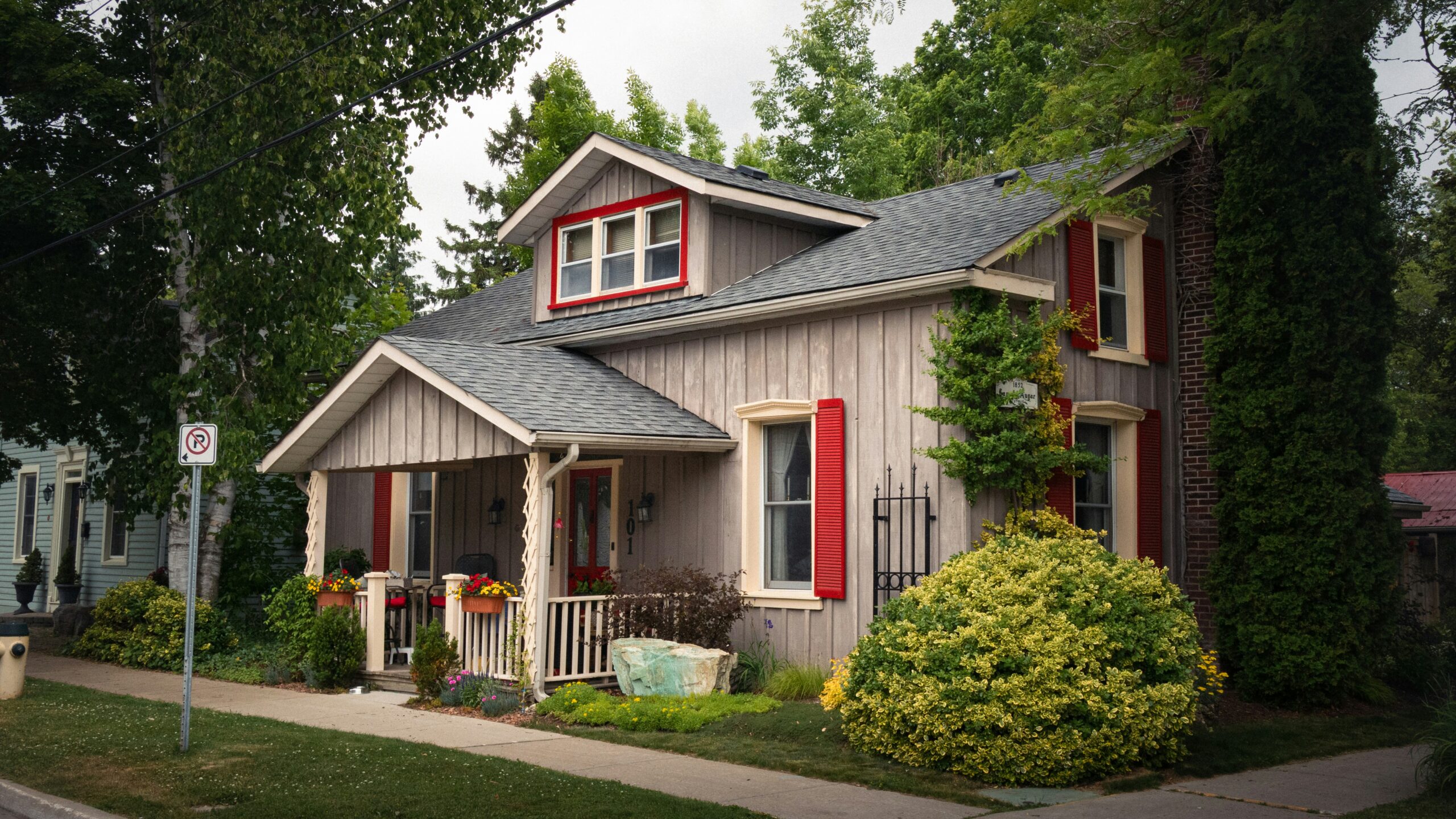
Step outside the GTA proper and the same $1.2 million shifts categories entirely. In village markets, that budget typically lands a fully detached home on a larger lot, often with mature trees, a finished basement, and sometimes a detached garage or workshop. Older homes with real character, wide baseboards, deep windowsills, wood floors that have seen decades of foot traffic, show up in this price range more often than glossy new builds do.
Wine country towns along the Niagara escarpment have become particularly competitive over the last few years. Buyers browsing Queenston Niagara on the Lake homes for sale quickly notice that the inventory skews toward larger lots and older construction, a very different profile from what a similar search would return in Mississauga or Vaughan. The pace of life shows up in the housing stock itself. Homes built before highways cut through the region were designed around walking distance to a general store, not a highway on-ramp.
Renovation costs still apply, of course. Older homes need new wiring, updated septic in some cases, and roofs that were patched rather than replaced. None of that disappears just because the town has a nicer main street. But the trade tends to favor space and land over proximity to a subway line, which suits a certain kind of buyer far better than a condo tower ever could.
Commute Costs Eat Into the Math
Nobody budgets for gas, parking, or the mental toll of an extra hour in the car each way, yet it shapes the real cost of a village purchase more than people admit upfront. Two hours round trip, five days a week, adds up to roughly ten hours a week spent commuting instead of doing literally anything else. Multiply that across a year and the math gets uncomfortable fast.
Remote work changed this calculation for a lot of households, though not universally. Some employers pulled staff back into offices over the past couple of years, and that shift alone has pushed a portion of village buyers to reconsider whether the trade is still worth it. Others found their footing with a hybrid schedule and never looked back.
A closer look at commute cost breakdown lays out how those hidden costs stack up over five and ten year windows, which is a more honest way to compare a village purchase against a GTA one than sticker price alone.
Renovation and Land Considerations
Older homes in village markets often come with charm that’s genuinely hard to replicate, but charm and maintenance costs travel together. A stone foundation looks great, but it often needs costly waterproofing that newer homes do not. Farther out, older electrical panels, wells, and septic tanks are common. Don’t rush a Sunday walkthrough – these older properties require a thorough inspection before you make an offer.
Land itself tells a different story too. A GTA lot is usually a fixed rectangle with little room to expand. A village lot might come with an acre or more, opening up possibilities for a workshop, a pool, or simply more distance between neighbors. That kind of privacy has a price tag that doesn’t show up on a mortgage calculator, but plenty of buyers say it’s the reason they made the move in the first place.
What Buyers Actually Get For That Number
At $1.2 million, a GTA suburb gets you a smaller detached house with a quick commute and nearby city conveniences. A rural village at that price offers a bigger lot and character-filled older home, but adds serious highway time. Neither choice is universally better. It depends entirely on what a household values on a Tuesday morning when the alarm goes off. Similar housing costs can create very different tradeoffs in other fast-growing metros too.
Resale value plays into this too, though it’s harder to predict than either camp likes to admit. GTA suburbs have decades of price history to lean on. Village markets are newer to this level of demand, and while prices have climbed steadily, nobody can say with certainty whether that trend holds for another decade. Buyers chasing appreciation alone might want to stick closer to the city. Buyers chasing a different way of living tend to look elsewhere entirely.
Making the Decision That Fits Your Life
There isn’t a clean formula here, no matter how many spreadsheets get built comparing square footage per dollar. A young couple planning to start a family might weigh school access and a shorter drive to grandparents more heavily than lot size. A household with flexible work arrangements might chase the acreage and the quiet main street without a second thought.
For a broader read on how village life compares day to day, village living guide covers grocery access, healthcare distance, and school options across several smaller Ontario towns, which rounds out the picture beyond just the price of the house itself.
$1.2 million is a real number with real limits attached to it in either direction. What changes is the shape of the life that number buys. One path trades space for proximity. The other trades proximity for room to breathe. Neither choice is wrong. It just depends on which Tuesday morning you’d rather be living.