
Many real estate investors based in Texas are actively looking beyond our state borders to diversify their portfolios. The booming markets of the Sun Belt are incredibly attractive, but some ambitious developers are now turning their attention westward to the Golden State.
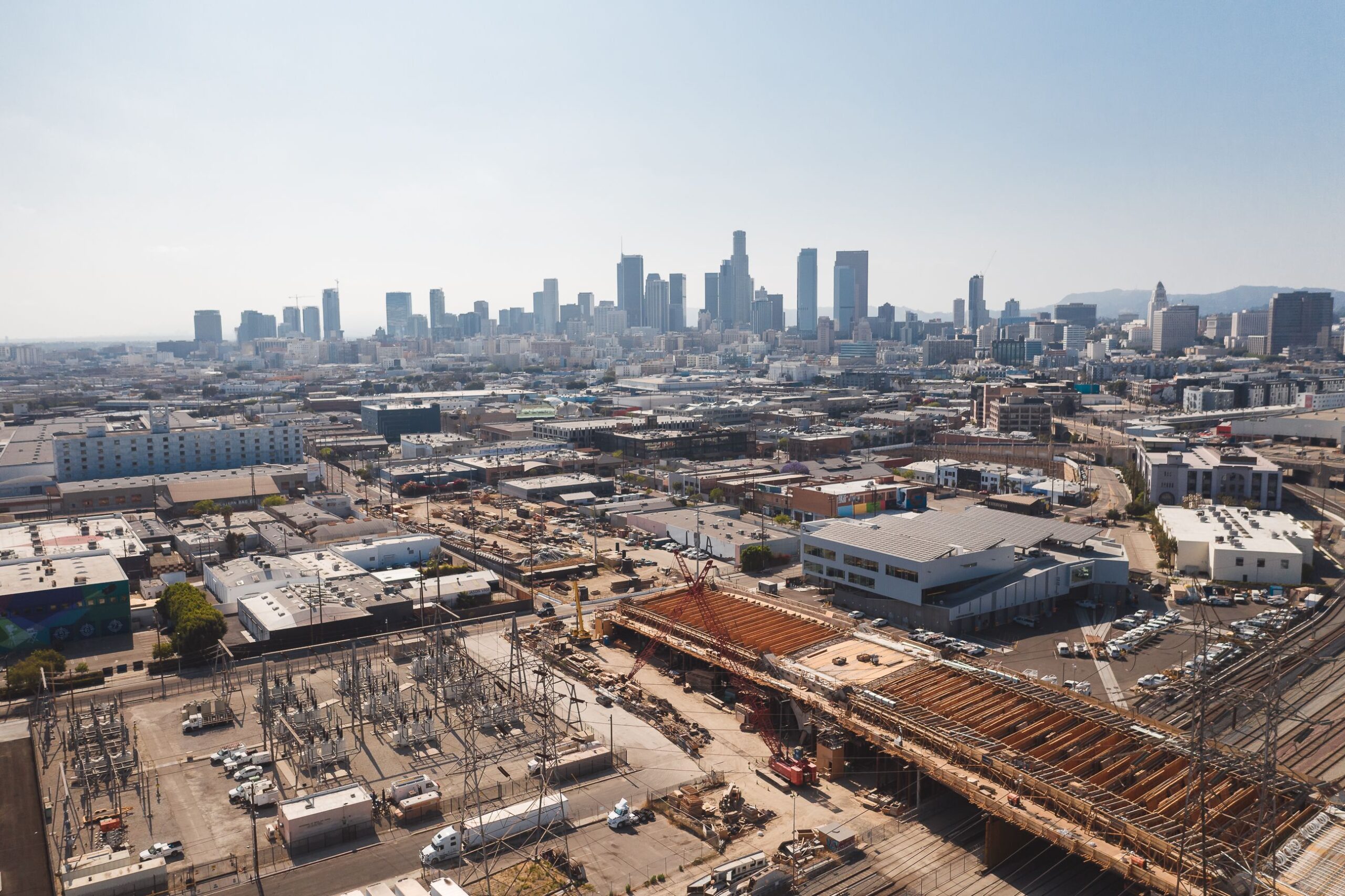
California offers massive opportunities for ground-up construction and high-end residential fix-and-flips. The sheer demand for properties is undeniable, and property values are incredibly high. This means the potential profit margins on a successful real estate build can be astronomical for the right investor.
However, crossing the state line brings a completely different set of rules. For a Houston or Dallas investor accustomed to the fast-paced Texas way of doing business, the California regulatory environment can be a massive shock to the system.
Building a new development in Texas is often a straightforward, highly business-friendly process. If your land is zoned correctly and you follow the basic municipal building codes, you can usually pull your permits and break ground rapidly.
California absolutely does not operate this way. The strict environmental mandates, the powerful local zoning boards, and the complex state-level compliance laws dictate every single phase of your project.
If you are financing your deal with a hard money loan, time is literally money. Any unexpected delay can aggressively eat into your equity. Here is exactly what Texas developers and real estate investors need to know before they start pouring concrete on the West Coast.
The Massive Scale of the Housing Shortage
The primary reason out-of-state investors are looking at California is the severe lack of available residential housing. The physical supply simply cannot keep up with the population’s basic living needs.
Decades of regional underbuilding have created a highly competitive market for property buyers and renters alike. The state government recognizes this deepening crisis and has recently attempted to streamline certain local approval processes.
According to the State of California’s official housing data, the state desperately needs to build 2.5 million homes over the next eight years just to meet baseline demand. This massive deficit presents a highly lucrative opportunity for out-of-state developers willing to navigate the red tape.
California Department of Justice – CA.gov
However, the financial cost of entry is exceptionally steep. You are not just paying a premium for the physical coastal land. You are also dealing with incredibly expensive municipal permit fees, union labor rates, and heavily inflated material costs.
Data from the US Census Bureau shows that California homeowners currently face the highest monthly costs in the entire country, driven largely by these underlying development expenses. Your financial underwriting must account for these premium pricing models.
Census Bureau
You simply cannot use Texas construction comps when evaluating a new California deal. If you underestimate the carrying costs, your hard money loan interest will quickly erode your projected profit margins.
Why California SWPPP Services Are Crucial for Builders
When you move dirt on a job site in Texas, managing rainwater runoff is usually a relatively simple, straightforward checklist item. In California, it is a highly regulated, strictly enforced environmental mandate that requires specialized planning.
The state takes its water quality and coastal runoff incredibly seriously. If your construction project disturbs one acre or more of soil, you are legally required to obtain coverage under the state’s Construction General Permit.
To get this specific permit, you must develop a comprehensive Stormwater Pollution Prevention Plan. This is a complex, legally binding document that details exactly how you will prevent mud, chemicals, and site debris from washing into local storm drains or natural waterways.
You cannot afford to wing this process or leave it to an inexperienced local contractor. The California State Water Resources Control Board issues massive financial fines for strict non-compliance. These penalties can legally reach up to twenty-seven thousand dollars per single day of violation.
A stop-work order issued by an environmental inspector will instantly freeze your active construction site. When you have a hard money lender waiting for a clear draw schedule, a two-week shutdown can completely ruin your entire investment strategy.
This is exactly why smart out-of-state investors rely heavily on specialized national compliance experts. For example, working with a highly rated firm like Pro SWPPP ensures you never face these costly municipal delays.
They specifically specialize in delivering fully compliant SWPPP services for complex California construction sites. By utilizing dedicated experts who understand the intricate local nuances, Texas developers can completely bypass the environmental permitting bottleneck.
Your site stays open, your general contractors stay working, and your private lender stays confident in your timeline.
The Reality of CEQA and Lengthy Entitlements
The California Environmental Quality Act, commonly known in the industry as CEQA, is perhaps the most notorious hurdle for any real estate developer.
In Texas, local development is largely governed by straightforward municipal zoning laws. If a project fits the established local zoning code, the municipal government generally must issue the building permit. It is known as a “by-right” development process.
CEQA completely changes this dynamic. In California, almost any discretionary approval by a local government agency triggers a mandatory, highly detailed environmental review.
This review process is meant to actively identify and mitigate any significant environmental impacts caused by your new development. It covers everything from increased local traffic and neighborhood noise pollution to the preservation of native plant species.
For large residential subdivisions or commercial projects, producing an official Environmental Impact Report can easily take well over a year. Furthermore, local neighborhood groups frequently use CEQA lawsuits as a legal weapon to stall or kill projects they simply do not like.
Texas investors must carefully factor this aggressive litigation risk into their upfront project timeline. You absolutely cannot assume you will break ground within ninety days of purchasing the raw land.
Your capital stack needs to be highly flexible and incredibly patient. You might need secure bridge financing just to carry the property through the lengthy entitlement and CEQA review phases before you secure your actual vertical construction loan.
Understanding Environmental Compliance Costs
Beyond just securing the initial permits, the ongoing cost of remaining compliant is vastly different when operating on the West Coast.
California legally mandates continuous site monitoring, rigorous daily dust control measures, and highly specific hazardous waste disposal protocols. You have to hire certified professionals to physically inspect your site before, during, and immediately after any significant rainstorm.
These ongoing soft costs add up very quickly during a twelve-month build. Texas developers often fail to include adequate contingency budgets for these mandatory environmental oversight services.
The US Environmental Protection Agency frequently highlights how securing adequate financing for environmental compliance remains a major hurdle for municipal and private developers alike.
EPA
You need to clearly itemize these exact compliance costs when pitching your deal to a private lender. A good hard money lender like Tidal Loans will actually look for these specific line items to ensure your budget is realistic and fully baked.
If your pro forma looks exactly like a typical Houston build, a savvy lender will immediately flag it for review. They know that California projects require a much thicker financial cushion to absorb these mandatory ongoing fees safely.
Comparing the True Scale of Regional Development
To truly understand the massive difference between these two housing markets, you have to look closely at the historical development data over the last decade.
Texas is famous for its rapid, sprawling residential growth. The state infrastructure is highly optimized for building new homes as quickly and efficiently as possible to meet demand.
Between the years 2010 and 2020, Census data confirms that Texas developers built 1.6 million units of new housing to accommodate the booming state population.
Census.gov
During that exact same decade, California added just over seven hundred thousand new residential units. This massive discrepancy in output exists despite California having a significantly larger overall population than Texas.
Census.gov
The sheer difficulty of navigating the complex regulatory landscape is the primary reason for this drastic difference in housing production. It is intentionally harder and much slower to build on the West Coast.
However, this high barrier to entry is exactly what permanently protects your final property value. Because it is so difficult to bring new inventory to the active market, the homes that do get built command an incredible premium.
Final Thoughts for Out-of-State Investors
Expanding your real estate portfolio into California is absolutely not for the faint of heart. It requires a completely different operational mindset and a deep well of patience.
You must deeply respect the strict environmental laws, prepare for lengthy entitlement battles, and actively build a localized team of compliance experts.
Do not try to force a fast-paced Texas development model into a highly regulated California zip code. Embrace the local rules, secure a robust hard money loan with realistic holding timelines, and rely on specialized compliance partners to keep your site moving safely.
When executed correctly and strategically, the Golden State can provide some of the most lucrative financial returns in the entire real estate industry.