
Selling a home involves many moving parts, and buyers always examine overhead protection carefully. A sturdy tile structure adds home value, but visible wear can stall negotiations during escrow.
Getting ahead of potential structural issues gives sellers full control over the final listing price. A clear pre-market evaluation prevents unwanted surprises when buyers bring their own inspectors.
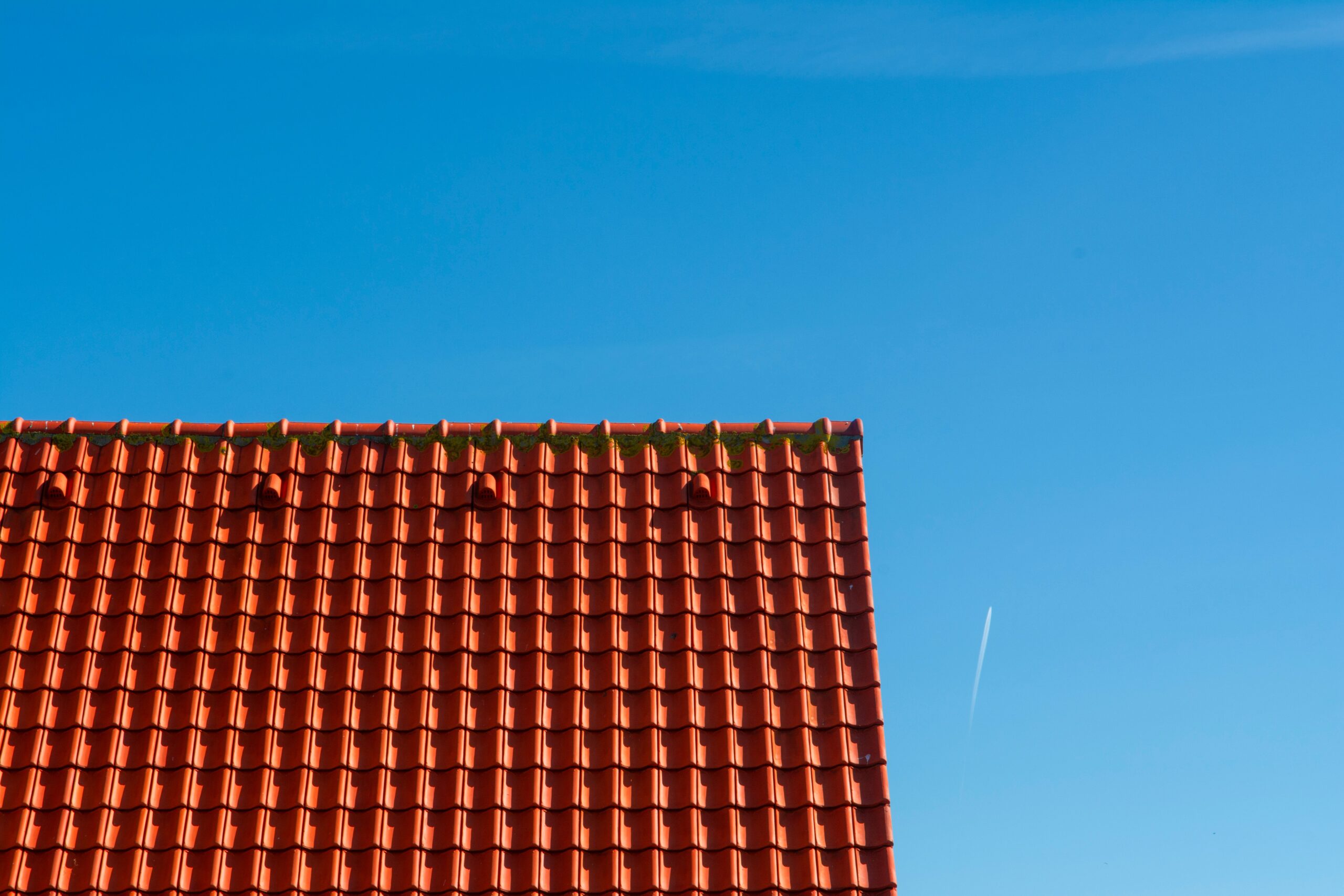
Visual Inspection of Tile Surfaces
Homeowners should examine the exterior surface from ground level or a safe vantage point. Scheduling a professional pre-sale tile roof inspection in San Diego helps identify early warning signs before listing the house. Experienced evaluators spot small hairline cracks that standard home shoppers easily miss.
Missing pieces or misaligned sections allow water penetration during heavy coastal rainstorms. Spotting these minor surface flaws early keeps basic fixes from becoming major structural repairs. Simple cosmetic touch-ups create strong curb appeal for visiting buyers.
Debris buildup in tile valleys creates wet traps that degrade underlayment materials. Clearing away dead leaves and dirt keeps drainage paths open and fully functional. Clean channels protect home interiors from hidden leaks during bad weather.
Condition of Tiles and Underlayment
Underneath the exterior layer lies a waterproof membrane that actually protects the home interior. Industry guidance recommends scanning for cracked or broken tiles during regular maintenance reviews. Damaged exterior tiles expose the fragile underlayment to sun degradation and continuous rain penetration.
Common signs of tile deterioration to review include:
- Chipped or cracked tile pieces lying on ground spaces
- Slid or displaced tiles along the top roof ridge
- Discolored underlayment material visible between tile gaps
Replacing individual broken tiles maintains long-term protection without requiring a total roof replacement. Quick action preserves buyer confidence during the strict contingency period. Keeping spare tiles on hand speeds up small repairs before listing photos are taken.
Flashing and Wall Transitions
Metal flashing directs water flow away from vulnerable joints, chimneys, and roof skylights. Operational standards suggest reviewing visible transitions at parapets, curbs, rising walls, corners, and terminations for movement or deterioration. Loose metal seals create prime entry points for moisture damage inside hidden wall cavities.
Sealants around pipes and exhaust vents dry out after years of intense sun exposure. Replacing worn rubber boots around plumbing stacks prevents hidden water leaks from ruining interior ceilings. Small maintenance tasks prevent red flags on final buyer appraisal reports.
Clean transitions reassure buyers that exterior weather stays outside where it belongs. Routine maintenance along these critical seams keeps real estate contracts moving forward smoothly.
Inspection Costs and Professional Reports
Securing a written report from a licensed specialist gives sellers strong leverage during price negotiations. Market analysis indicates roof inspection costs $150 – $500 in 2026. Providing an up-to-date document eliminates buyer hesitation before written offers arrive.
An official evaluation offers clear proof of long-term care for prospective property buyers. Transparent documentation prevents sudden buyer requests for large price concessions right before closing. Buyers feel comfortable making higher offers when structural reports show solid care.
Investing in a preliminary assessment saves valuable time during escrow negotiations. Clean inspection findings help property sales close faster without unexpected financial delays.

Preparing a tile roof before placing a property on the market protects equity and speeds up closing dates. Simple maintenance steps resolve minor issues before buyers hire their own home evaluators.
Proactive sellers secure maximum market value by presenting a well-maintained property structure. Addressing necessary roof checks early creates a smooth selling experience from start to finish.